
How Can the Torah Still Be Relevant Today?

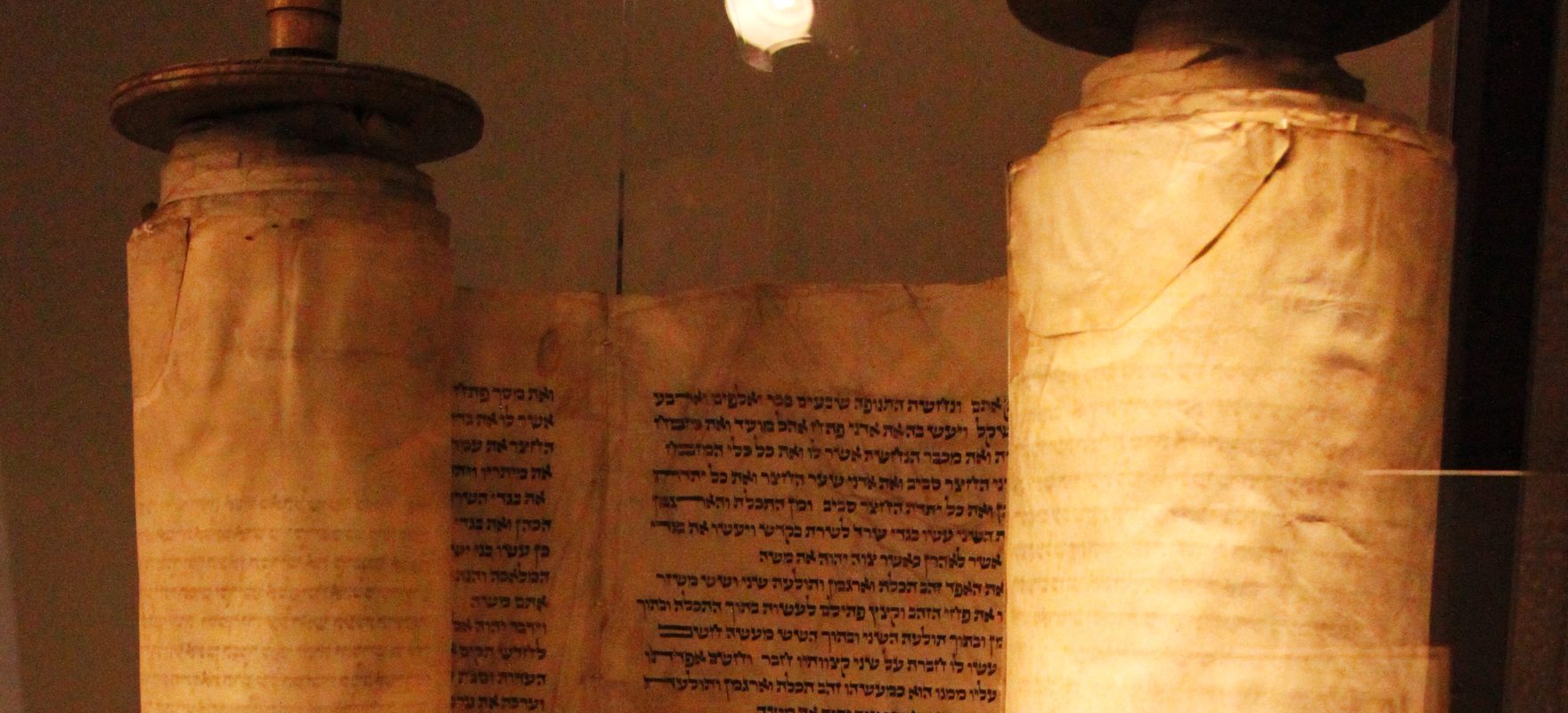
A Gap of 3,300 Years
The world is changing at dizzying speed, and it seems that a deep chasm has opened between our generation and people born just two generations ago — in technology, mentality, ways of thinking and practically every sphere of life. This raises the question: how can the Torah, given according to tradition some 3,300 years ago, remain relevant for us today?
Some of the Torah's laws — sacrifices, commandments connected with agriculture, the laws of the Temple and the status of the priests — seem to belong to remote antiquity. Since humanity has moved far ahead since the giving of the Torah, it is natural to ask: why shouldn't the Torah adapt to the modern era? Yet it is important to remember that three thousand years ago, too, the Torah "did not fit" the accepted notions of the day. It prescribed rest on Shabbat when the whole world worked seven days a week; it forbade idolatry in an age when polytheism was taken for granted; it proclaimed the value of human life at a time when, in the "advanced" cultures of Greece and Rome, it was normal to kill infants who failed to meet social standards.
The Constancy of Human Nature
On a deeper level, the immutability of the Torah is its fundamental characteristic. We live in an age when everything changes: technology, transport, science, laws. But one thing remains unchanged — human nature. The human soul is the same as it has always been: full of passions, prone to laziness, avoiding effort and at times distorting the truth. And yet, at the same time, there lives within us a yearning for the sublime, a thirst for spiritual elevation, a love of beauty and a desire to do good. The existential questions that troubled people thousands of years ago have not changed: "Who am I?", "What is the purpose of life?", "Where am I going?" and, most important of all, "What is it all for?"
In our hyper-technological world it is important to remember that technology is only a means, not an end. Science can describe what exists, but it gives no answer to questions about the meaning of being. It is like an aircraft technician who knows the plane's maximum speed and fuel reserve, but from those data alone can never determine where the plane ought to fly. Setting the destination is a matter of values, and defining values is the role of faith. The Torah gives a person answers to life's great questions, and this guidance remains relevant in every era.

An Eternal Manual for the Soul
The Torah is not a collection of social norms tailored to the spirit of antiquity, but precise instructions designed to bring a person to a state of perfection and repair. Man's purpose and the path to that goal remain constant and do not depend on the spirit of the times. While in other cultures ideals and ways of life change constantly, Judaism stands unshaken, never bending to the fashion of the moment. The Torah is a heavenly and eternal book, untouched by historical processes.
According to the sources, the Torah contains the sublime secrets of the universe and of the spiritual forces at work in our reality. God, who created the world, established in the Torah eternal laws that are the only way to bring the world to perfection. The Torah is like a map that leads us to the goal; even if the landscape around us changes, that is no reason to reverse the route. Each of the 613 commandments has a spiritual root that affects the entire world, so they have no "expiration date" simply because the scenery has changed.
A Backbone in a World of Chaos
Thousands of years ago, just as today, a Jew lives by the same path: he puts on tefillin, prays and blesses his food. The ideal a person must strive for, and the ways of realizing it, are unchanging and do not depend on the development of culture. Even laws that seem outdated carry colossal spiritual significance that we are not always able to grasp.
In a world of confusion, noise and constantly shifting identity, the Torah of Israel serves as a steady backbone, linking us to the past and the future. It is precisely in the postmodern era, when the absence of any single truth is asserted, that the stable ground of the Torah becomes vital. One who knows where he came from understands where he ought to go. The Torah is meant to refine a person and reveal the good within him, but this demands effort, a struggle against laziness and work on one's character. That is exactly why the Torah will remain absolutely relevant in future generations as well.
The Torah can be compared to a navigation system (GPS). Cities may be rebuilt, the architectural fashion of the buildings along the roads may change and communication technology may improve, but the geographic coordinates of the destination and the laws of geometry by which the shortest route is calculated remain the same. If you decide the map is "outdated" simply because new skyscrapers have sprung up around you, you risk never reaching your destination.
Comments