
Tzniut: The Hidden Harmony of the Seen and the Unseen

The Roots of a Sacred Tradition
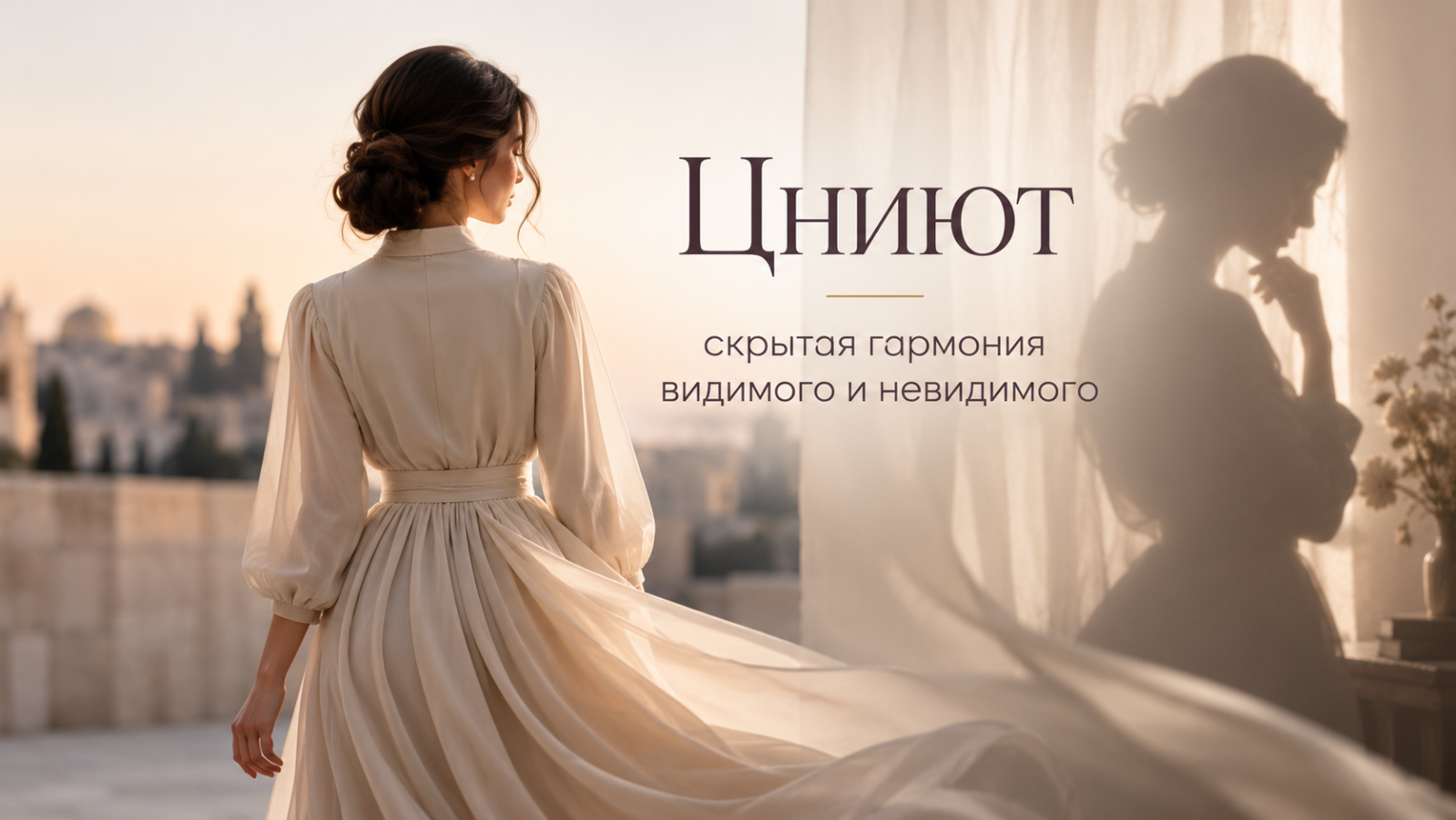
Keeping the laws of modesty in today’s world is not a fight against the surrounding culture but the creation of a special space in which your true self can be expressed, where the outer and the inner are held in harmonious balance.
At the very heart of the Jewish understanding of modesty lie the words of the book of Michah (6:8): “...and to walk humbly with your G-d.”
Tzniut as a concept is mentioned in the Tanach more than once, but it shines most brightly in the story of the matriarchs — Sarah, Rivkah, Rachel and Leah, whose inner beauty outshone any adornment.
The Talmud stresses: “Modesty leads to purity, purity to holiness.”
This chain of spiritual ascent shows that modesty is not the final goal but the beginning of a spiritual path. The Rambam (Maimonides), in the “Mishneh Torah,” singles out modesty as one of the most important qualities, for a woman and a man alike, necessary for full service of Hashem.
Three Aspects of Tzniut
The laws of tzniut cover three main aspects:
- Modesty in dress
- Covering the body: knees, elbows, collarbones (for married women, also covering the hair)
- Opaque fabrics, a cut that does not entice
- Clothing that emphasizes dignity rather than provoking attention
- Modesty in behavior
- Restraint in public places
- Respect for physical boundaries
- Refined and clean speech
- Dignity in movement and gesture
- Modesty in thought and character
- Inner modesty in self-assessment
- Avoiding boasting and self-aggrandizement
- Restraint in expressing emotions
- Cultivating an inner spiritual life

Adapting Without Compromise
In today’s world, keeping tzniut calls for wisdom and balance.
The key principle: preserve the essence, even if the form may adapt. Here are some practical approaches:
In professional life:
- Elegant business attire that meets the requirements of modesty
- Maintaining professional boundaries in interactions
- An emphasis on intellectual achievements rather than appearance
In everyday life:
- Stylish, fashionable clothing that follows the principles of tzniut
- Creative layering to build modest yet contemporary looks
- Using accessories to express individuality without breaking the principles
In social situations:
- Confident behavior rooted in self-respect
- Dignity in the digital space (choosing appropriate photos for social media)
- A balanced openness in communication that does not cross boundaries
It is important to remember: tzniut does not mean being unexpressive.
The goal is not to disappear or become invisible, but to reveal your inner essence through a fitting outward expression. It is like the frame around a precious painting — it does not draw attention to itself, but it brings out the beauty of what it holds.





Comments