
Chuppah and Kiddushin: The Sacred Union in Jewish Tradition

The Spiritual Meaning
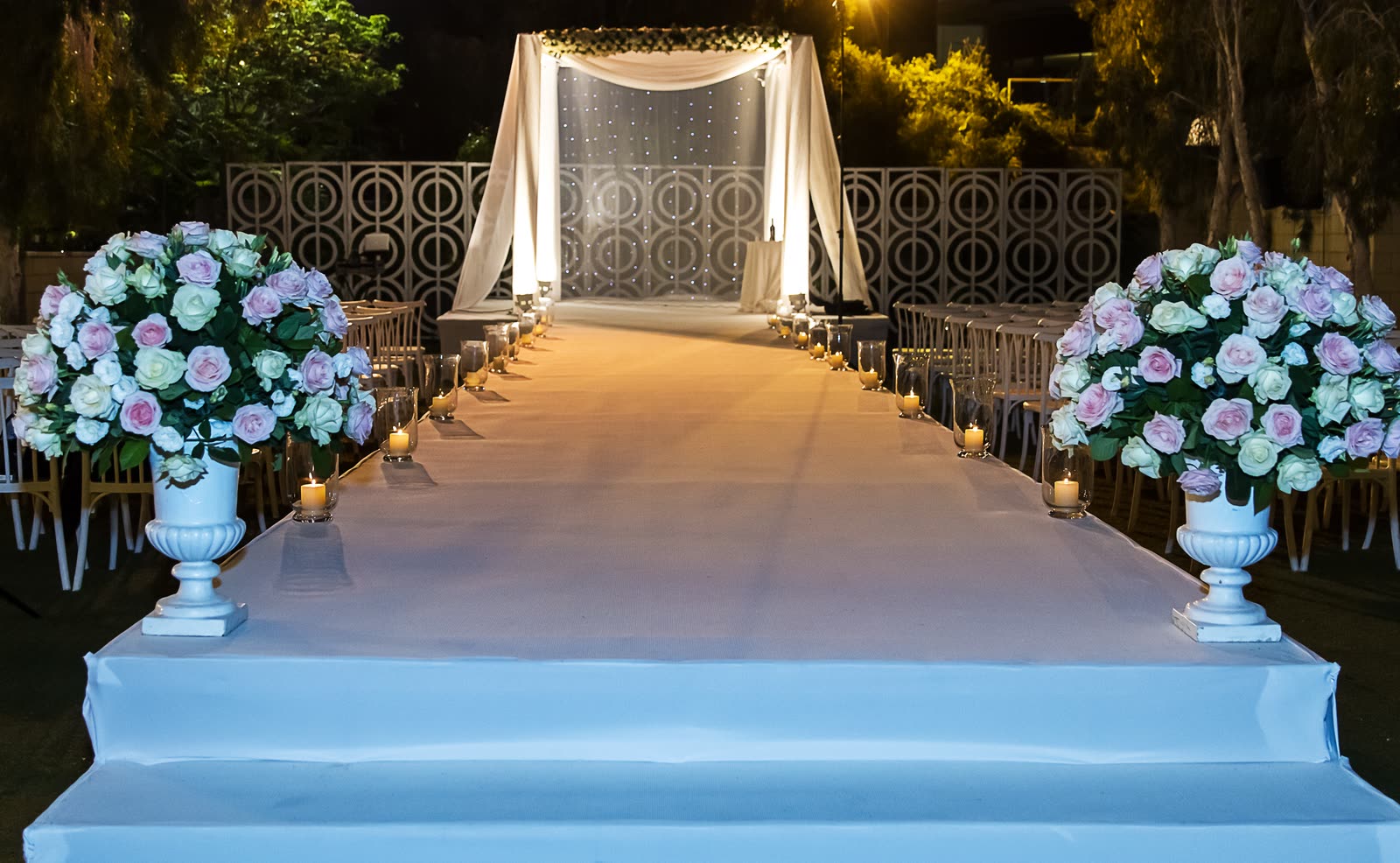
Chuppah and kiddushin are the core elements of the Jewish wedding ceremony, symbolizing the creation of a new Jewish home and the sealing of a sacred union between a man and a woman.
Let us look at the spiritual meaning, the main laws, and the customs connected with this most important event in the life of a Jewish couple.
Chuppah and kiddushin are not merely a legal act or a social ceremony. In Jewish tradition this is a moment of profound spiritual union, when two halves of a single soul are reunited. According to Kabbalah, before birth every soul is divided into a male and a female part, and marriage is the reunion of these parts.
Rabbi Aryeh Kaplan writes: “The chuppah symbolizes the new home the couple is creating. It is also a reminder of the Shechinah (the Divine Presence) that rests over a Jewish home.”
The Main Laws
Chuppah (the wedding canopy):
- The couple stands beneath the chuppah, which symbolizes their future home.
- The seven blessings (sheva brachot) are recited.
- The groom breaks a glass in memory of the destruction of the Temple.
Kiddushin (betrothal):
- The groom gives the bride an object of value (usually a ring) in the presence of two witnesses.
- The groom says the words: “Behold, you are consecrated to me with this ring according to the law of Moses and Israel.”
- The bride accepts the ring, which symbolizes her consent.
Ketubah (the marriage contract):
The groom signs a special contract and takes on obligations toward the bride. He commits to care for his wife, to respect her, and to provide her with everything she needs.

The Stages of a Jewish Wedding
The wedding day consists of several special customs, each carrying deep spiritual meaning.
The bride and groom fast until the ceremony, treating this day as their personal Yom Kippur.
The groom covers the bride’s face with a veil. This recalls Rivka, who covered herself when she saw Yitzchak.
The bride circles the groom seven times beneath the chuppah, symbolizing the creation of a spiritual protection around their union.
After the ceremony, the couple withdraws in private for a few minutes, symbolizing the beginning of their life together.
For seven days after the wedding, festive meals are held at which the seven blessings are recited.
The Role of the Bride and Groom
On the wedding day, the bride and groom are regarded as a king and queen. They are shown special honor, and it is considered a great mitzvah to bring them joy.
Rabbi Samson Raphael Hirsch notes: “On this day the bride and groom are like Adam and Chava in the Garden of Eden, beginning a new chapter of human history.”
In Jewish tradition the bride plays a central role. She is considered the source of blessing for the new home. The Talmud says that at the moment the bride steps beneath the chuppah, the gates of Heaven open, and her prayers have special power.
Practical Aspects
Choosing the date: Weddings are generally not held on Shabbat, on festivals, or during the periods of mourning in the Jewish calendar.
Preparation: The couple usually takes a course of pre-marital study, learning the laws of family purity and the fundamentals of building a Jewish home.
Ketubah: This document is signed before the ceremony and read aloud beneath the chuppah.
The ring: It should be simple, without stones or engraving, symbolizing the purity of the union.
Chuppah and kiddushin are not just a beautiful ceremony but a deeply symbolic act marking the beginning of a shared spiritual journey. Two become one — not only physically, but spiritually.
Rabbi Jonathan Sacks writes: “Marriage in Judaism is not merely the union of two people. It is the union of two stories, two destinies. It is a promise to continue the chain of tradition that stretches from Avraham and Sarah to our own day.”
May every Jewish wedding be the beginning of a new home, filled with love, faith, and the light of Torah!
Comments