
How to Live the Ten Days of Repentance Well

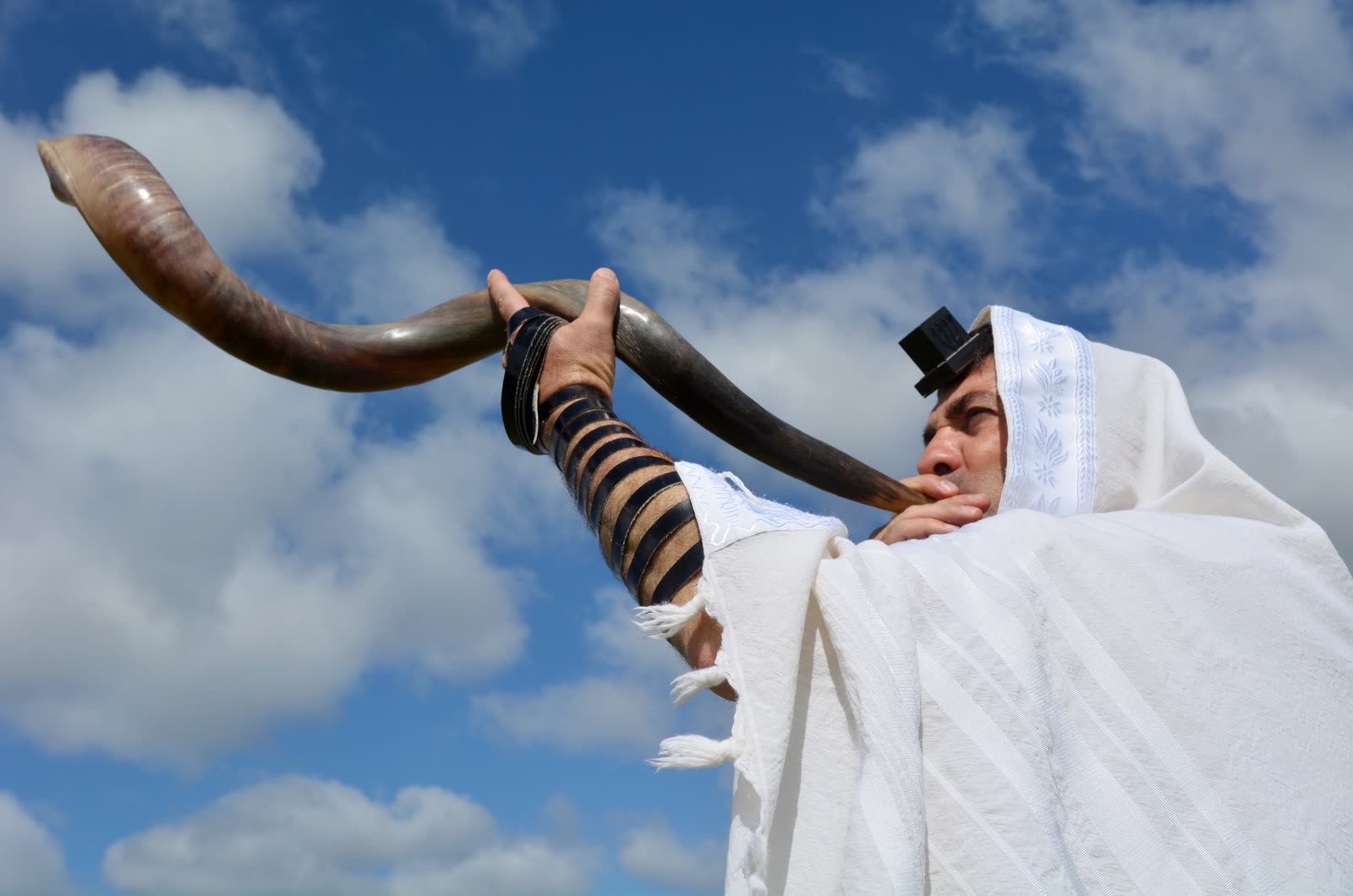
What This Time Is
This is a special time between Rosh Hashanah and Yom Kippur — only ten days, but it is precisely in these days, the sages say, that the Creator is “closer to us than breath,” and we are closer to our own truth: to set things right, to ask forgiveness, to do good, choosing life.
Aseret Yemei Teshuvah — the Ten Days of Repentance — begin on the first day of Rosh Hashanah and end with Yom Kippur (inclusive).
These are days of intensified teshuvah — a return to the best in ourselves, to clarity of choice, and to G-d. Heaven is “open,” and so every step of goodness and truth works with special force: prayer, charity, reconciliation, study, comforting those who are struggling.
In the middle of this period comes Shabbat Shuvah (“the Shabbat of Return”): a special haftarah and an inspiring drasha by the rabbi on the meaning of teshuvah.
The Fast of Gedaliah (3 Tishrei) — a communal fast and prayers for mercy on the world and on the people.
What Changes in the Prayers
The texts of the services change slightly in these days, so that our speech matches the inner work. The wording differs between Ashkenazim and Sephardim, but the essence is the same — to ask for life, mercy and peace.
Main changes in the Amidah
- “HaMelech HaKadosh” instead of “HaEl HaKadosh” — we emphasize the Kingship of Hashem.
- “HaMelech HaMishpat” instead of “the King Who loves righteousness and judgment” — an emphasis on just Judgment and on mercy.
Inserted requests:
- “Zochreinu leChaim” in the first blessing — “remember us for life.”
- “Mi Kamocha…” in the second — a request for mercy.
- “Uchtov leChaim tovim…” in “Modim” — to be inscribed for a good life.
- “BeSefer Chaim…” in “Sim Shalom / Shalom Rav” — for peace and blessing.
“Avinu Malkeinu” — in many communities it is recited every weekday of this period (except Shabbat): a series of personal and communal requests to “our Father, our King.”

What Are Selichot
Selichot are penitential prayers and piyyutim in which we ask forgiveness and awaken the mercy of Heaven.
In Sephardic communities Selichot are recited from the beginning of Elul until Yom Kippur; Ashkenazim usually begin a few days before Rosh Hashanah and continue through all Ten Days until Yom Kippur.
The time is late at night or the hours before dawn: the quiet helps you hear your heart. The central moments are the “13 Attributes of Mercy,” “Ashamnu,” “Shema Koleinu,” and texts of forgiveness and hope.
Women may take part in the synagogue or read passages at home. Whether it is obligatory depends on community practice, but the power of a woman’s prayer is beyond question: even a short personal request from the depths “opens the gates.”
Where to Put In Extra Effort
Teshuvah between one person and another. The most important thing is to ask forgiveness of those we have hurt by word or deed, to repay debts, to make amends where possible. “Making peace with people” is the condition for making peace with Heaven.
Tzedakah. Giving increases: targeted help for families, soup kitchens, schools. Even a small sum given with warmth changes the world.
Torah and prayer. Add at least 5–10 minutes daily: Psalm 27 (“LeDavid — Hashem ori veyish’i”), a passage of Torah, the book of Psalms, Selichot or personal prayer.
Many take on “strengthenings” for these ten days: being stricter in kashrut, paying attention to blessings, being more careful about the details of Shabbat, guarding one’s speech from gossip. What matters is that these be realistic, manageable steps.
Kapparot and preparing for Yom Kippur. On the day before Yom Kippur people perform kapparot (with money or with a bird, according to local custom), give charity, prepare the blessing of the children on the eve of the holy day, and ask forgiveness from loved ones in advance.
The Special Role of a Woman’s Soul
A woman’s soul knows how to turn spiritual ideas into the breath of a home.
During Aseret Yemei Teshuvah this is especially visible:
Atmosphere. Warm words, a slower rhythm, less rushing — the home becomes a workshop of teshuvah: here people learn to listen, to ask forgiveness and to give thanks.
Speech. A woman’s speech is a source of light. By choosing gentleness over irritation, we literally rewrite the “book of the day” — our own and that of those close to us.
Prayer. Candles, Selichot, “Avinu Malkeinu,” personal words in your own language about health, peace in the family, joy for the children. Tears, if they come, are not weakness but an honesty that heals.
Tzedakah and care. Organize a collection for a family in a hard situation, call a woman who is alone, prepare a portion of food for a neighbor to break her fast — small acts that by Heaven’s measure are great.
Aseret Yemei Teshuvah are ten steps toward closeness. May they become for us a road of strength: where a woman’s soul creates a space of peace, and the home becomes a place where G-d feels at home — and we with Him.
Gmar chatimah tovah — may we all be inscribed and sealed for a good life.
Comments